
Why Voice AI Is Still Waiting for Its ChatGPT Moment

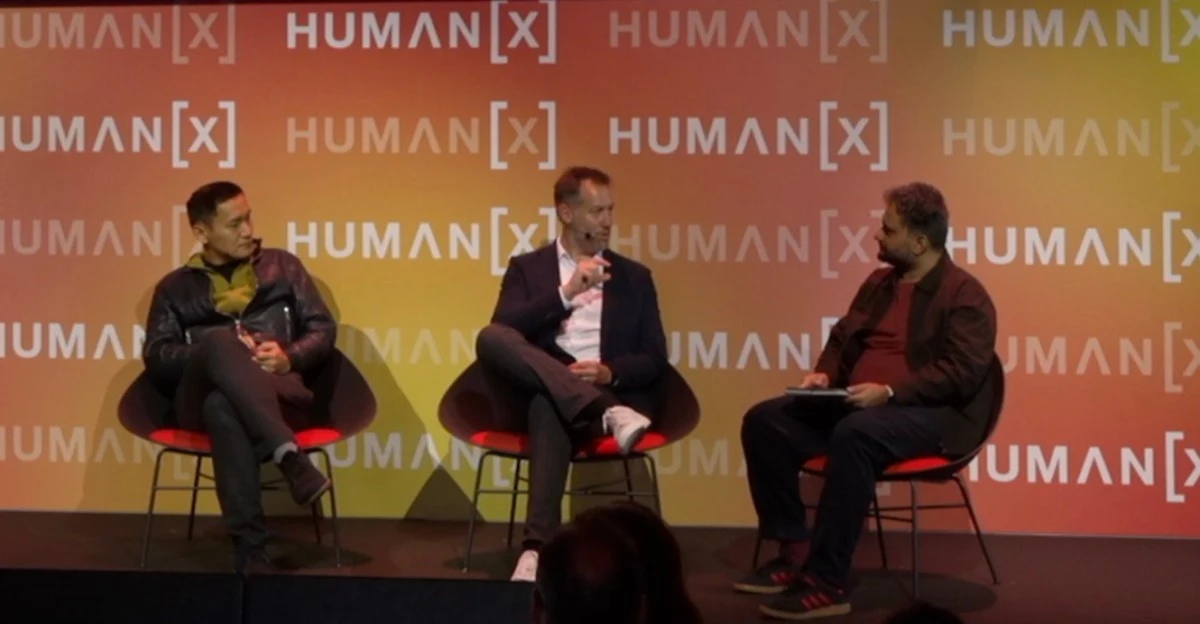
Conversational technology has come a long way in recent years, but top tech leaders caution that voice AI still faces critical technical hurdles. While text-based models like ChatGPT captured global imagination almost overnight, real-time voice systems continue to struggle with context and execution speed.
Industry executives point out that processing natural human speech requires far more than simple speech-to-text conversion followed by an automated text response. Creating a seamless, natural interaction requires understanding tone, managing background noise, and accurately tracking conversation history in real time without noticeable lag.
The Context Layer Breakdown
The primary technical challenge lies in what engineers refer to as the context layer. When a voice assistant misses subtle linguistic cues or fails to retain relevant details from earlier in the dialogue, the entire processing pipeline breaks down, leaving users frustrated with unnatural or completely inaccurate responses.
Unlike text prompts, where users comfortably tolerate a few seconds of generation time, spoken interactions require near-instantaneous responses. A delay of even one second can break the flow of natural human communication, making real-time voice integration significantly harder to perfect than standard chat interfaces.
Bridging the Innovation Gap
To achieve a true breakthrough equivalent to modern generative text engines, developers are working hard to build end-to-end audio models. These new architectures aim to process audio directly without converting it to intermediate text first, thereby reducing latency and preserving vital emotional cues.
Core Technical Challenges Facing Developers
- Latency Management: Reducing response times down to natural conversational pauses below half a second.
- Contextual Memory: Retaining conversational nuance across longer interactive sessions seamlessly.
- Acoustic Reliability: Filtering out ambient background noise while maintaining high interpretation accuracy.
While the goal of truly natural voice interaction remains slightly out of reach for now, rapid progress in audio model research suggests the breakthrough may not be far off. Until then, technology leaders continue working behind the scenes to build the solid foundations required for the next generation of voice AI.