
Global Interest Grows in Joining Expanding BRICS Alliance

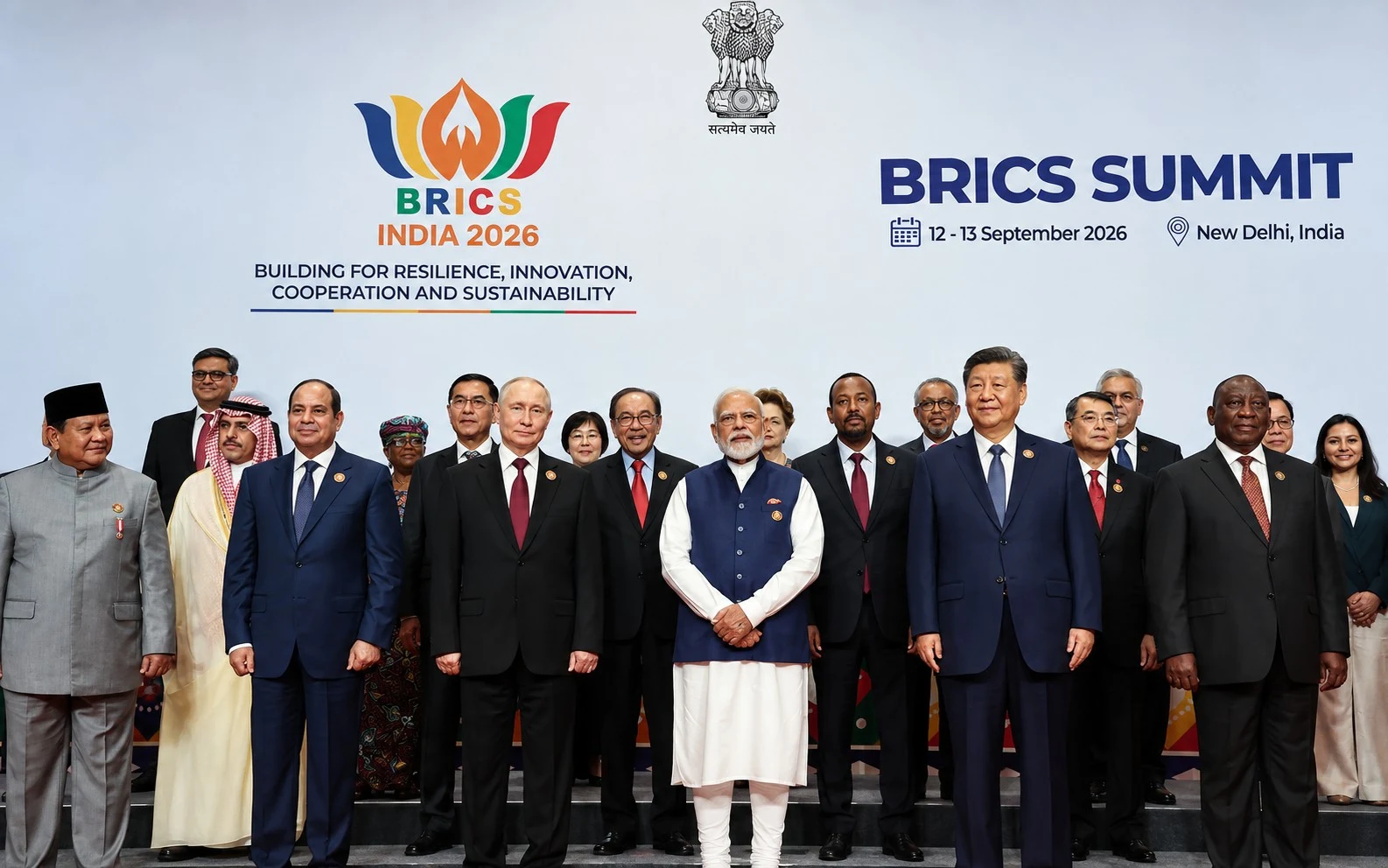
Global diplomatic and economic relations continue to evolve as numerous developing and emerging nations express strong interest in joining the BRICS alliance. Speaking in a recent interview, Russian Foreign Minister Sergey Lavrov highlighted the growing list of countries seeking closer economic partnership and membership with the diplomatic bloc.
Expanding Geopolitical Influence and Trade Networks
The BRICS group, originally formed by Brazil, Russia, India, China, and South Africa, has increasingly positioned itself as a major platform for economic cooperation among emerging markets. As more nations express a desire to collaborate, the organization is steadily broadening its global reach and economic footprint. Member countries view this collaboration as an opportunity to diversify trade channels, enhance regional security, and strengthen South-South economic cooperation.
This growing interest reflects a wider shift in international finance and diplomacy, where developing economies seek alternative financial mechanisms and balanced representation in international governance bodies. Discussions around trade settlement in local currencies and joint infrastructure funding have made the bloc particularly attractive to emerging economies.
Why Nations Are Seeking BRICS Membership
Several key factors explain why countries across Asia, Africa, Latin America, and the Middle East are looking toward BRICS alliance partners:
- Economic Diversification: Member nations gain access to expanded trade partnerships and investment capital across growing global markets.
- Alternative Financial Systems: The bloc offers financial cooperation mechanisms, including infrastructure loans through the New Development Bank.
- Enhanced Diplomatic Voice: Joining the group provides smaller nations with a collective platform to influence international economic policy.
- Local Currency Settlements: Many candidate countries are interested in trading with partner nations using local currencies to reduce exchange rate volatility.
The Future Structure of the Growing Economic Bloc
As interest builds, BRICS leaders face the task of managing potential expansion while maintaining consensus among existing members. Establishing clear criteria for full membership and partner status will be essential as formal applications continue to be reviewed. Diplomats indicate that future expansion efforts will focus on strategic regional representation and mutual economic compatibility.
While expanding the coalition presents coordination challenges, it also amplifies the bloc's overall weight in world trade and commodity markets, reshaping traditional international trade corridors.
Summary and Global Outlook
The expanding interest in BRICS signals a dynamic shift in global economic arrangements as nations build new partnerships to support long-term growth. As discussions regarding new members progress, international observers will be watching closely to see how this expanded alliance shapes world trade and economic policy. Ultimately, these diplomatic developments reflect a growing desire among emerging economies for a more multipolar global economic landscape.