
Four Ways to Fix Failures in US Border Surveillance AI

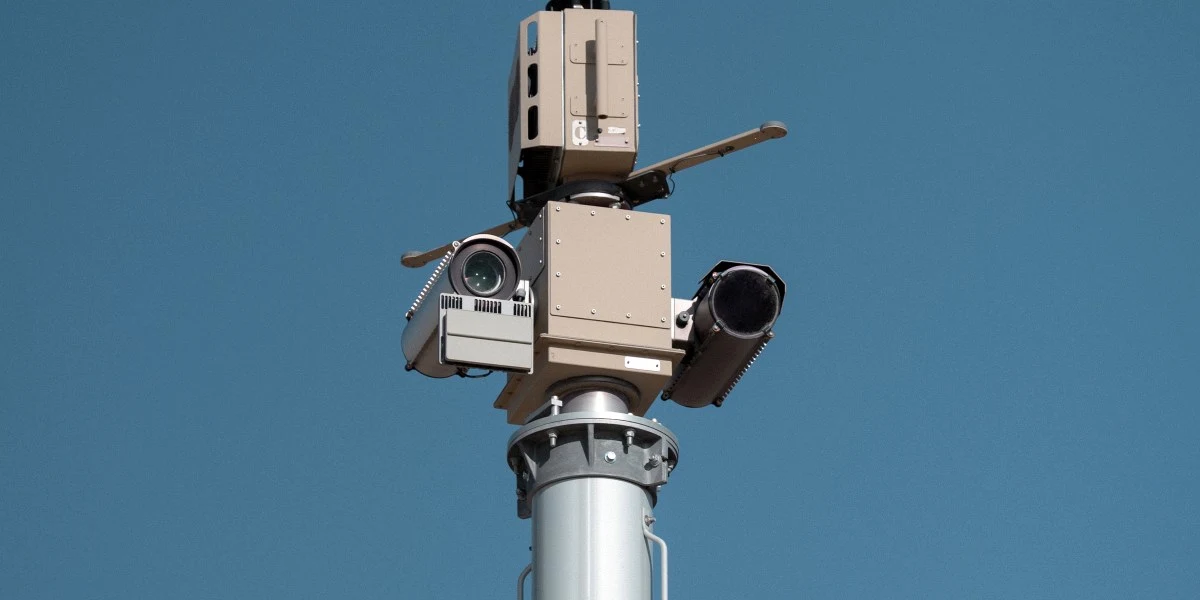
Following a groundbreaking investigative report into fatalities near automated border towers, technology researchers and human rights policy experts have put forward four concrete strategies to fix critical failures along the US-Mexico border. The recommendations aim to transform surveillance tools into proactive life-saving systems rather than passive monitoring networks.
Re-Engineering Tower Systems for Emergency Relief
The recent investigation revealed alarming cases where migrants walked undetected past AI-enabled surveillance towers and later died nearby from environmental exposure. To address these systemic gaps, experts emphasize that automated detection systems must be fundamentally reconfigured to prioritize immediate medical distress signaling alongside security monitoring.
First, experts advocate for integrating dedicated emergency rescue features directly into physical tower sites. Adding visible, solar-powered emergency call boxes and water supply stations to existing tower locations would provide immediate shelter and communication channels for individuals in distress. Secondly, modernizing the software algorithms running on border cameras could enable automated detection of prone or immobile human bodies, instantly triggering distress alerts to medical first responders rather than standard law enforcement queues.
Improving Transparency and Institutional Accountability
The remaining recommendations focus on systemic oversight and operational integration between federal agencies and civil rescue groups:
- Third-party auditing: Establishing independent technical oversight to evaluate tower coverage and detect operational dead zones.
- Direct search-and-rescue links: Routing distress signals directly to trained emergency medical units rather than general security personnel.
- Public data sharing: Publishing anonymized incident logs to help local humanitarian groups map dangerous regions accurately.
Building a Responsible Technological Framework
Fixing the virtual wall requires moving beyond pure border enforcement toward a balanced framework that respects human life. Technology alone cannot solve complex migration issues, but smarter design choices can prevent avoidable deaths. Implementing these four pragmatic reforms would ensure that advanced surveillance equipment serves both security needs and basic humanitarian obligations along remote border corridors.