
Camera Overhead Failed to Prevent Border Tragedy

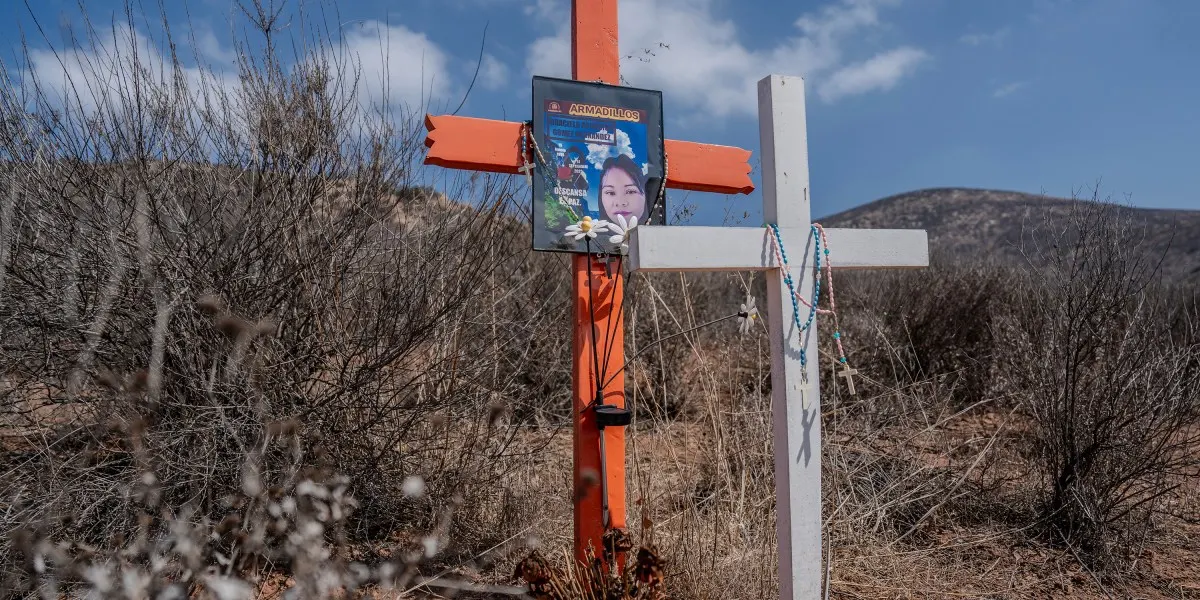
It was early afternoon on September 14, 2025, when 30-year-old Graciela Gómez Hernández crossed the border from the eastern edge of Tijuana into Southern California. She had only been walking for a couple of hours, but extreme heat and unfamiliar terrain left her hopelessly lost, prompting her to send frantic voice messages to her mother and sister as her situation deteriorated.
Tragically, Gómez Hernández did not survive the ordeal, despite passing directly within full view of an operational border surveillance camera. Her death underscores a harrowing reality along the United States border, where sophisticated visual monitoring technology frequently captures human suffering without triggering life-saving assistance.
Watching Without Rescuing
The site where Gómez Hernández collapsed was actively monitored by advanced camera infrastructure capable of recording high-definition video in real time. These surveillance networks were installed to provide continuous coverage across vulnerable border stretches, theoretically allowing control centers to monitor every movement across the border region.
However, the existence of visible surveillance cameras did not translate into a timely rescue attempt. Family members who received her desperate voice messages were left helpless from afar, while the automated and manned surveillance apparatus overhead failed to dispatch emergency medical personnel in time to prevent her death.
The Growing Human Toll Along Monitored Corridors
Her story is part of a broader, troubling trend documented in ongoing investigative reports regarding border fatalities. Despite extensive technological upgrades and increased spending on border monitoring, migrant death rates remain tragically high across arid border regions.
- Surveillance Blind Spots: Technical coverage does not automatically guarantee active monitoring by human operators.
- Delayed Response Times: Bureaucratic coordination between monitoring centers and rescue units often consumes critical hours.
- Funnel Effect: Heightened security around urban corridors pushes travelers into increasingly dangerous and isolated desert pathways.
Calls for Accountability and Reform
The death of Graciela Gómez Hernández has sparked renewed demands for transparency regarding how border surveillance data is monitored and acted upon. Human rights advocates argue that if public funds are used to build pervasive camera networks, those systems must carry a mandatory duty to care and respond when individuals are in clear peril. Without structural changes to prioritize emergency assistance, high-tech cameras will continue to act merely as passive witnesses to preventable human tragedies.